Master Your Exterior Maintenance Schedule: How Often Should You Schedule Commercial Pressure Washing for Your Property?

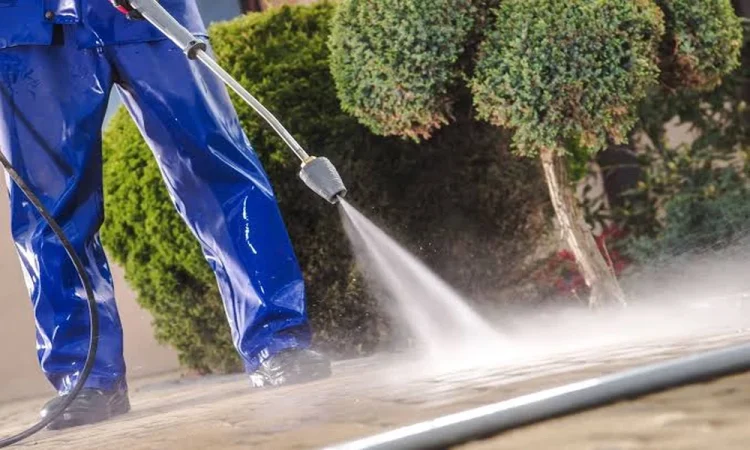
Maintaining a clean exterior directly protects your real estate investment, preserves curb appeal, and prevents costly structural degradation caused by environmental buildup. Regular Commercial pressure washing weatherford removes embedded grime, toxic mold, stubborn oil stains, and tire rubber before these contaminants cause irreversible damage to exterior surfaces. Determining the ideal maintenance frequency depends on your facility type, foot traffic volume, local climate conditions, and specific industry compliance standards. Establishing a strategic cleaning schedule ensures your commercial space remains inviting, safe, and professional throughout the year.
High-Traffic Retail Spaces and Restaurants: Monthly to Quarterly Service
Retail storefronts and dining establishments face constant public scrutiny, making exterior hygiene a direct driver of customer trust and revenue. High foot traffic leads to rapid accumulation of chewing gum, spilled beverages, food grease, and tracked-in dirt along entryways and walkways.
Restaurateurs must pay extra attention to dumpster pads, kitchen exhaust vents, and outdoor seating areas. Organic grease and food waste attract pests while creating severe slipping hazards for employees and patrons.
Scheduling monthly or bi-monthly pressure washing for entryways and quarterly cleaning for full exterior facades prevents stubborn oil stains from permanently bonding with porous concrete. Maintaining pristine concrete walkways signals high health and safety standards before customer even steps through the front door.
Corporate Office Parks and Commercial Complexes: Semi-Annual Cleaning
Office buildings and multi-tenant commercial complexes project stability and professionalism to prospective clients, investors, and high-value tenants. While these facilities generally experience less heavy grease accumulation than restaurants, they remain vulnerable to atmospheric pollution, traffic soot, bird droppings, and mildew.
A semi-annual washing schedule typically planned in late spring and early autumn-keeps corporate campuses looking sharp and well-maintained. Spring treatments wash away winter road salt, de-icing chemicals, and mud accumulation. Autumn washings clear out summer pollen, dust, and organic debris before cold weather sets in.
Focusing on building facades, main architectural entrances, and covered walkways twice a year prevents dark mildew streaks from staining exterior stucco, brick, or composite panels. Consistent maintenance extends the operational lifespan of exterior paint and protective coatings, saving property managers thousands in premature renovation costs.
Parking Garages and Driveways: Annual or Semi-Annual Deep Treatments
Parking lots, multi-level garages, and driveways endure relentless vehicle traffic, leaking transmission fluids, hot tire marks, and heavy weather exposure. Over time, engine oil penetrates deep into porous asphalt and concrete, weakening the structural matrix and causing surface crumbling.
Commercial parking garages require comprehensive power washing at least once or twice a year to clear accumulated oil slicks, salt residue, and embedded brake dust. Utilizing commercial hot-water pressure washers breaks down petroleum products that cold water simply cannot dissolve.
Proper cleaning schedules also keep drainage channels clear of sediment, preventing standing water pools that accelerate concrete cracking during freeze-thaw cycles. Clean parking structures improve overall night visibility, deter crime, and provide a welcoming first impression for arriving visitors.
Mitigating Liability and Elevating Safety Compliance
Dirty, unmaintained commercial walkways present significant legal and operational liabilities for business owners. Accumulated grease, wet moss, and slick algae patches turn standard walkways into hazardous zones during rainy conditions.
Routine pressure washing eliminates slip hazards, keeping properties fully compliant with local safety standards and insurance policies. Documenting a regular exterior cleaning schedule provides valuable proof of proactive facility maintenance should an accidental slip-and-fall claim occur on your premises.
Clean premises also prevent pest infestations. Eliminating organic food spills and garbage juices around dumpsters deprives rodents and insects of breeding grounds, protecting your business reputation and health inspection ratings.
Conclusion
Scheduling commercial pressure washing based on your specific property type, foot traffic volume, and environmental exposure safeguards your real estate investment while maintaining a top-tier professional image. Retail storefronts and dining venues thrive on frequent monthly or quarterly entry maintenance, whereas corporate office parks and parking garages maintain exceptional appeal through structured semi-annual or annual deep cleans. Partnering with certified commercial washing specialists ensures the correct application of hot-water extraction and soft wash techniques, protecting your structural surfaces from wear while keeping walkways safe, beautiful, and welcoming for every visitor.