
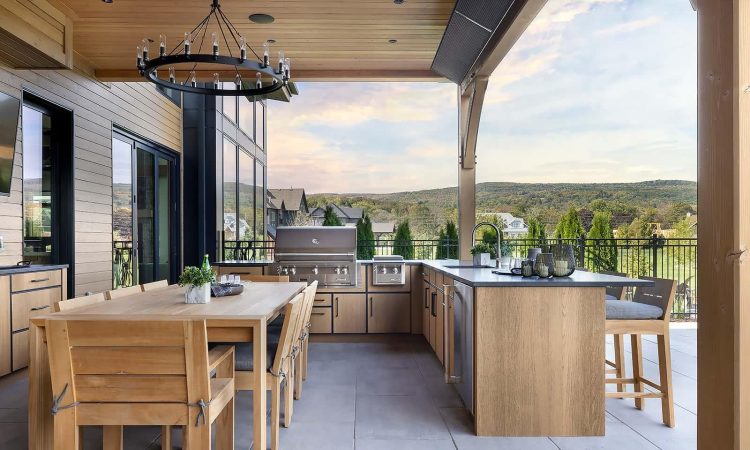
Planning an outdoor kitchen feels exciting at first; you imagine weekend barbecues, relaxed evenings, and trying out new recipes. But then the questions begin. Where should the grill go? Which materials will actually last outdoors? Do you need a large space, or just a better layout? It can feel a bit confusing in the beginning.
If you have explored different setups, you will notice some feel more organized, especially those built around a built-in Monolith Kamado. These designs focus on placing the grill at the centre, with prep areas and storage nearby. As seen on the BBQs2u webpage, everything is arranged to create a smooth, efficient cooking experience.
Where Should the Grill Be Placed?
This is one of those decisions that seems simple but actually affects everything. You don’t want the grill too close to walls or enclosed areas, but at the same time, it should not feel isolated either.
A few things to keep in mind:
- Leave enough room for heat and smoke
- Position it near prep space for convenience
- Avoid tight corners
- Keep it at a comfortable working height
A good placement makes cooking feel easy. A bad one, you will notice it every time.
What Materials Actually Last Outdoors?
Outdoor kitchens go through a lot of sun, rain, dust, and temperature shifts. So, materials need to be handled more than just for daily use.
Some reliable options include:
- Stainless steel – strong and very easy to clean
- Stone or masonry – strong and long-lasting
- Composite materials – low maintenance and practical
- Concrete – modern, solid, and heat-resistant
Each has its own feel. Some look more premium; others are just easier to live with.
Do You Really Need a Big Space?
Not really. A smaller, well-planned kitchen can work better than a large one that is not organized properly. It is more about layout than size.
Even compact setups should include:
- A dedicated grill zone
- Enough counter space for prep
- Storage for tools and fuel
Once these basics are in place, the size becomes less important.
Why Are Kamado-Style Grills So Popular?
You will see them in a lot of outdoor kitchens, and there is a reason for that.
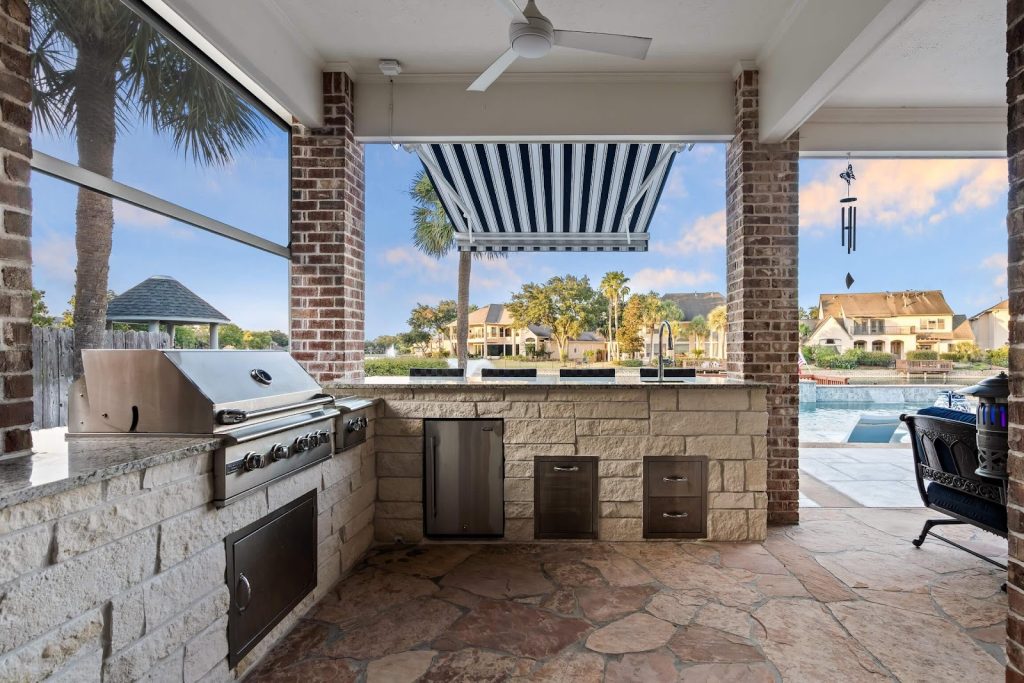
They are known for:
- Holding heat really well
- Cooking a wide variety of food
- Using fuel efficiently
- Delivering consistent results
They do need proper support, though. These grills are heavy, and they perform best when they are part of a stable setup.
Does Storage Really Matter That Much?
Surprisingly, yes. Without proper storage, things get messy quickly. Tools end up scattered, charcoal bags sit in awkward spots, which adds friction to the whole experience.
Good storage helps you:
- Keep everything within reach
- Stay organized while cooking
- Reduce unnecessary movement
- Maintain a cleaner space overall
It is one of those things you don’t think about until you don’t have it.
Final Thoughts
Outdoor kitchen design does not have to be complicated. It just needs to make sense for how you cook and use the space.
Once the layout feels right, everything else starts falling into place. Cooking becomes smoother, cleanup feels easier, and the whole experience becomes much more enjoyable.