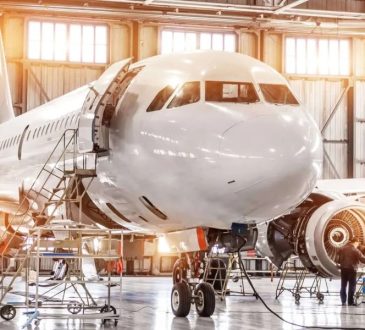


Any single airplane relies on hundreds and thousands of parts to work together with precision. Every aspect of the plane, right from the cockpit to landing gear, how minute, plays an important role in safety and performance. That is why the components of the aircraft are considered the cornerstone of modern aviation.
Aircraft cannot function without reliability and safety − the performance of these vehicles directly depends on the reliability of components. Given the constant development of aviation technology this need for quality parts is unlikely to lessen, and this trend continues to hold true for commercial, military, and private aviation.
What are Aircraft Components?
In simple terms, aircraft components are the parts or systems within the aircraft that make it function properly. These components are found everywhere, providing functions from navigation and communication to engine performance and passenger comfort.
Aircraft are comprised of thousands of individual components operating in concert at the same time. Another major system goes down, and the whole aircraft may not function.
Some common examples include:
- Flight control systems
- Hydraulic systems
- Avionics equipment
- Engine parts
- Landing gear assemblies
- Electrical wiring systems
All aircraft parts must comply at a level much stricter than the aviation standards.
Why Quality Matters in Aviation?
There is little margin for error in aviation. All the components need to perform reliably, whether that is extreme pressure, temperature changes, or hours of constant flying.
High-quality aircraft components help improve:
Passenger Safety
Depending upon the problem/domain, Reliable systems minimize the possibility of technical failure in flights.
Aircraft Performance
Efficient components allow aircraft to operate more smoothly and use fuel more effectively.
Maintenance Efficiency
This results in reduced time in repair and the long-term airline and operator costs of replaced parts as the parts are built to endure.
Like all things in aviation, safety is the number one priority, therefore there are stringent testing and certification protocols that manufacturers follow.
The Pioneering Need for High-end Parts
Modern Aircraft is smarter and fuel efficient. This change has created a need for lightweight and technologically advanced aircraft parts.
To increase durability while lowering the weight of an aircraft, manufacturers now employ materials such as titanium, carbon fiber, and other advanced composites.
New technologies also support:
- Better fuel economy
- Improved navigation systems
- Faster diagnostics
- Enhanced flight control accuracy
The market for advanced aviation parts continues to grow as airlines update older aircraft.
What is the Role of Maintenance and Inspections?
Regardless of the component, everything should be inspected, and serviced over time. Aviation professionals examine components for wear and tear, damage, or performance issues well ahead of roles which would manifest potentially any serious issues down the track.
Routine maintenance helps:
- Extend aircraft lifespan
- Prevent unexpected failures
- Improve operational reliability
- Meet international aviation regulations
This process is critical for passenger aircraft, as well as cargo fleets.
Challenges Facing the Industry
The supply chain and production challenges of the aviation sector remain in place. What in the supply chain is affected by delays in manufacturing and increased material costs? Availability of key components for the aircraft.
Meanwhile, airlines expect quicker deliveries and better performance. This pressure has prompted improvements in manufacturing processes and quality control systems.
Now there is heavy emphasis on innovation across the industry.
Final Thoughts
Reliable aircraft components are crucial to modern aviation. What makes any flight possible is the thousands of extremely precise parts all working in absolute unison.
With aircraft technology continuing to evolve, lighter, stronger, and better-suited components will be more important than ever. From safety and maintenance to performance and innovation; these parts remain the cornerstone of the aviation industry’s future.