

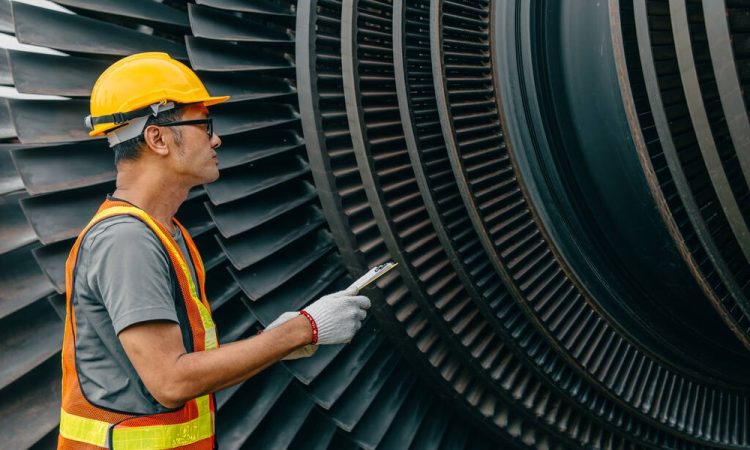
Steam turbines are critical assets in power generation, industrial processing, and combined heat and power systems. They operate under extreme temperatures, high pressures, and continuous mechanical stress, making regular inspection essential to safe and efficient operation. Steam turbine inspection is a systematic process designed to assess the condition of internal and external components, identify potential issues early, and ensure long-term reliability. Proper inspections help prevent unplanned outages, reduce maintenance costs, and extend the life of the turbine.
Purpose of Steam Turbine Inspection
The main aim of inspection of the steam turbine is to measure the mechanical fitness and the working condition. Turbine parts also become eroded, corroded, subjected to thermal fatigue, vibrates, and covered by steam impurities over time. Unless defects are detected on a regular basis, minor defects may turn into a major failure of either damage to the blades, leakage of the seal, rotor imbalance, or distortion of the casing. The type of critical information gained by the use of inspections supports the maintenance planning, optimization of performance, as well as life evaluation and the adherence to safety and operational guidelines. Go to this site to read more.
Types of Steam Turbine Inspections
The inspection of steam turbines is normally categorized in accordance to scope and frequency. Normal or working inspection is done when the turbine is in service. These will be detection of vibration, bearing temperature, oil quality, pressure, and performance data at large. By trending this information, problems that are developing are identified at an early stage.
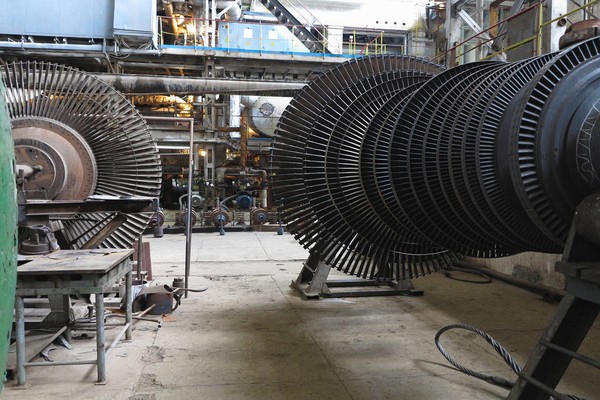
Small checks are normally associated with partial dismantling and paying attention to the parts available to the person which include bearings, seals, valves, lubricated systems, and the control mechanisms. Such checks enable technicians to solve wear or alignment problems before they affect performance. Major inspection is the most thorough and it is usually embedded in the scheduled outages. A large-scale inspection can ascertain the entire or part disassembling of the turbine to examine the details of blades, diaphragms, rotors, nozzles, and casings.
Inspection Methods and Techniques
Many different inspection procedures are employed to make sure that turbine condition is properly evaluated. The basic procedure is the visual inspection and through this the technicians are able to determine the erosion, corrosion, deposits, cracking and deformation. The borescope inspection is also popular in inspecting internal parts of the machine like blade rows and steam paths without the complete disassembling of the machine thereby lowering the downtime and labor costs.
Non-destructive testing (NDT) techniques are important in the identification of defects that may be hidden. Ultrasonic testing is used in the identification of internal defects and loss of wall thickness and magnetic particle and dye penetrant testing are used in the detection of surface cracks. Blade roots and other prominent areas that are vulnerable to fatigue damage are usually tested through eddy current. These thorough methods are a better insight into material state and integrity. Click here for reference.
Key Components Inspected
During the inspection of steam turbines several critical parts are considered attentively. Turbine blades are checked regarding erosion caused by impurities in the steam, corrosions, fatigue cracks and foreign objects damages. Seals and packaging are looked into wear which may result in loss of efficiency and leakages of steam. The bearings are checked in terms of wear and tear, alignment, and lubrication conditions because bearing failures may result in serious subsequent damages.
Rotors are checked in terms of straightness, balance, surface defects and stress created cracking. Casings; the casing is checked to check that it is not distorted, does not crack or is not broken and that the joints are sound. Valves; the valves and control systems are also inspected to verify that they are working properly and responsively. Lubrication and oil systems are also checked to make sure that they are clean and flowing correctly.
Role in Preventive and Predictive Maintenance
A fundamental part of a preventive and predictive maintenance program is steam turbine inspection. Consistent inspection enables the maintenance crew to discover deterioration at its early stages and arrange the correction during the planned outages. Such a proactive strategy eliminates the threat of involuntary closure and expensive emergency maintenance.
The condition-based maintenance is assisted by inspection data as it enables the decision to be made on the concrete equipment state and not under specific intervals. This enhances reliability, minimizes the cost of maintenance and maximizes the availability and life span of equipment.
Safety, Reliability, and Compliance
One of the most important factors in inspection is safety. Privatization of personnel and equipment is taken care of through strict procedures, lockout measures, and industry standards. Numerous regulatory and insurance authorities insist on formal inspections to ascertain the adherence and proper operation. Audits, performance reviews as well as managing long term assets are also supported by thorough inspection records.
Conclusion
Inspection of steam turbine is necessary to ensure the reliability, efficiency and safety of vital rotating equipment. Integrating routine monitoring, comprehensive inspection, and sophisticated testing methods, the organizations obtain precious information about the state and the performance of turbines. An organized inspection program has been known to act in the prevention of sudden breakdowns, longevity of equipment and the regular functioning in challenging industrial and power generation settings.