
Key Takeaways
- Choosing to donate plasma Glassborodirectly supports patients who rely on plasma-derived therapies for chronic illnesses, immune disorders, burns, and trauma care.
- Plasma donation benefits both recipients and donors by supporting community healthcare while encouraging healthy habits like hydration and regular wellness screenings.
- Local hospitals and treatment centers depend on a steady supply of donated plasma to provide life-saving medical treatments.
- Understanding the donation process helps reduce anxiety, making first-time donors more comfortable and prepared.
- Simple preparation, including staying hydrated and eating a nutritious meal, contributes to a smooth donation experience.
- Many donation centers offer compensation, referral bonuses, and donor rewards to encourage consistent participation.
- Every plasma donation strengthens the Glassboro community by helping save lives and ensuring vital therapies remain available for patients in need.
1. Plasma Donation Helps Save Lives in the Glassboro Community
Deciding to donate plasma Glassboro is one of the most meaningful ways to support local healthcare. Plasma is used to create treatments for patients with hemophilia, immune deficiencies, severe burns, clotting disorders, and other life-threatening medical conditions.
Hospitals and healthcare providers rely on donated plasma every day because these therapies cannot be manufactured artificially. Each donation contributes to treatments that improve recovery times and enhance patients’ quality of life.
Beyond helping strangers, donors may even support neighbors, friends, or family members who require plasma-derived medications.
2. Plasma Donation Benefits Both Donors and Patients
Many people view plasma donation simply as an act of generosity, but donors may also experience personal benefits throughout the process.
Donation centers perform basic health screenings before every appointment, helping donors stay informed about their general health. Regular donors also develop healthy routines by staying hydrated, eating balanced meals, and maintaining eligibility requirements.
Equally important is the emotional reward. Knowing that one donation can positively affect multiple lives provides many donors with a lasting sense of purpose and community involvement.
3. The Donation Process Is Safe and Easy
Many first-time donors feel uncertain about what to expect, but the process is straightforward and carefully monitored by trained professionals.
The typical appointment includes:
- Registration and identification verification
- Medical history review
- Brief health screening
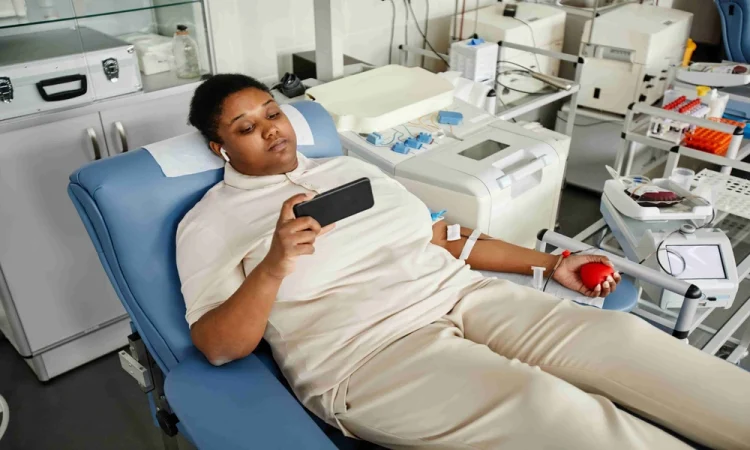
- Plasma collection using specialized equipment
- Short recovery period with refreshments
Most visits take approximately two hours from start to finish. During the donation, plasma is separated while red blood cells are safely returned to the body, making recovery relatively quick for healthy donors.
Preparing beforehand by drinking water, eating a protein-rich meal, and avoiding fatty foods can help create an even smoother experience.
4. Every Donation Supports Critical Medical Treatments
When individuals choose to donate plasma Glassboro, they help provide therapies that thousands of patients depend on throughout the year.
Donated plasma is commonly used for:
- Treatment of immune deficiencies
- Care for hemophilia patients
- Recovery support for burn victims
- Therapies for autoimmune disorders
- Emergency trauma care
Medical advancements continue to increase the demand for plasma-based medications, making regular community donations more important than ever.
Every appointment helps maintain a reliable supply for hospitals and treatment centers serving patients in need.
5. Regular Donors Help Build a Stronger Community
Plasma donation extends beyond healthcare-it strengthens the entire Glassboro community.
Many local donation centers encourage long-term participation by offering:
- Financial compensation
- Referral bonuses
- Loyalty rewards
- Special promotional events
- Community recognition programs
These incentives encourage consistent donations while helping maintain adequate plasma supplies.
Perhaps more importantly, regular donors become part of a community dedicated to improving lives. Their continued generosity creates lasting benefits for local healthcare providers, patients, and future donors alike.
FAQ
How often can I donate plasma?
Most healthy individuals can donate plasma approximately once every 28 days, depending on donation center guidelines and medical eligibility.
Who is eligible to donate plasma?
Most centers require donors to be at least 18 years old, meet minimum weight requirements, and successfully complete a health screening before each donation.
Is plasma donation safe?
Yes. Licensed plasma donation centers follow strict medical and safety standards, using sterile equipment and monitoring donors throughout the process.
How long does plasma donation take?
A typical visit lasts around two hours, including registration, health screening, plasma collection, and recovery time.
How should I prepare before donating?
Drink plenty of water, eat a balanced meal with protein, avoid greasy foods beforehand, and bring a valid photo ID.
Do plasma donors receive compensation?
Many donation centers provide compensation for each completed donation and may also offer referral bonuses and loyalty rewards.
What happens to donated plasma?
After donation, plasma undergoes extensive testing and processing before being used to manufacture therapies that treat patients with serious medical conditions.
Why should I become a regular plasma donor?
Regular plasma donations help maintain a dependable supply of life-saving therapies while supporting local hospitals, strengthening the community, and improving countless lives.