
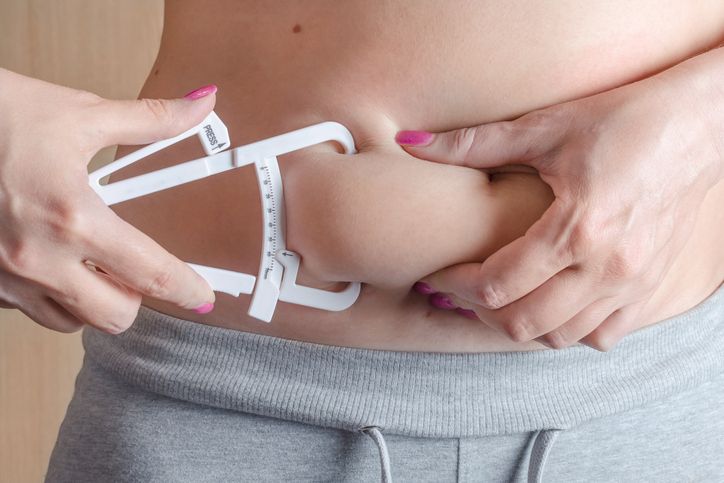
You’ve been dieting consistently, exercising regularly, and watching the scale drop-yet certain areas stubbornly refuse to lean out. Your arms and face thin down, but your lower belly and love handles persist. This frustrating pattern isn’t imagined or a failure of willpower. It’s a physiological reality driven partly by differences in blood flow.
Understanding the connection between blood flow and targeting stubborn belly fat [LINK: https://bellyproof.com/science/targeting-belly-fat/] explains why some fat deposits resist conventional approaches-and what strategies might actually help.
The Blood Flow Problem
Fat mobilization requires two steps: releasing fatty acids from fat cells (lipolysis) and transporting those fatty acids to tissues that can burn them (primarily muscle and liver). Blood flow is the transport system.
Research using microdialysis techniques has measured blood flow to different fat depots during exercise and rest. The findings explain a lot:
- Subcutaneous abdominal fat has approximately 50-70% lower blood flow than non-abdominal subcutaneous fat
- Lower body fat (hips, thighs) also shows reduced blood flow compared to upper body fat
- These differences persist during exercise, though all areas increase blood flow
Even when stubborn fat areas release fatty acids through lipolysis, the limited blood flow means those fatty acids are transported away more slowly. If they’re not removed quickly enough, they can be re-esterified back into the fat cell-stored again without ever being burned.
Why Blood Flow Varies by Location
Receptor Density
Fat cells have two types of adrenergic receptors that respond to catecholamines (adrenaline and noradrenaline):
- Beta receptors: Stimulate lipolysis and vasodilation (increased blood flow)
- Alpha-2 receptors: Inhibit lipolysis and promote vasoconstriction (reduced blood flow)
Stubborn fat areas have higher concentrations of alpha-2 receptors. This creates a double problem: less fat released AND less blood flow to carry it away.
Insulin Sensitivity
Stubborn fat areas also tend to be more sensitive to insulin’s anti-lipolytic effects. Even small elevations in insulin-which would barely affect other fat depots-can shut down lipolysis in these areas and further reduce local blood flow.
Evolutionary Adaptation
This pattern likely evolved to protect energy reserves in areas deemed most important for survival. For women, hip and thigh fat supports pregnancy and lactation. For both sexes, some abdominal fat protects vital organs and serves as emergency reserves.
What Happens During Fat Loss
When you create an energy deficit, your body mobilizes fat from the easiest-access areas first-those with better blood flow and more favorable receptor profiles. This is why:
- Face and arms often lean out first
- Upper body typically responds before lower body
- Stubborn areas become more visible as surrounding fat decreases
- The last few pounds seem impossibly difficult
You’re not imagining that the final stages of fat loss are harder. They genuinely require more time, lower overall body fat levels, and potentially different strategies.
Strategies to Improve Fat Mobilization in Stubborn Areas
1. Exercise to Increase Local Blood Flow
Exercise increases blood flow throughout the body, including to fat tissue. While you can’t spot-reduce fat through exercise, you can increase blood flow to stubborn areas:
- Moderate-intensity cardio: Increases overall blood flow and catecholamine release
- High-intensity intervals: Produce greater catecholamine surge
- Lower body exercise: May increase blood flow to hip and thigh fat during the session
The key is that any fatty acids released during exercise need to be burned-continuing activity after mobilization ensures they’re oxidized rather than re-stored.
2. Fasting to Lower Insulin
Stubborn fat areas are particularly sensitive to insulin inhibition. Strategies that lower insulin may help:
- Intermittent fasting: Extended fasting periods allow insulin to reach baseline levels
- Fasted exercise: Combines low insulin with exercise-induced blood flow increase
- Low-carbohydrate eating: Reduces insulin spikes throughout the day
The goal isn’t necessarily ketosis or extreme restriction-just allowing periods where insulin is truly low, not constantly elevated from frequent eating.
3. Caffeine and Other Compounds
Caffeine increases catecholamine release and may enhance blood flow to adipose tissue. Studies show:
- Increased lipolysis following caffeine consumption
- Enhanced fatty acid mobilization during exercise with pre-workout caffeine
- Potentially improved blood flow to subcutaneous fat
Yohimbine: This compound blocks alpha-2 receptors, potentially reducing their anti-lipolytic and vasoconstrictive effects. Some research supports its use for stubborn fat, but it must be used in a fasted state (insulin blocks its effects) and can cause anxiety and elevated heart rate.
4. Cold Exposure
Cold exposure activates brown adipose tissue and may affect blood flow patterns to white fat:
- Initial vasoconstriction followed by reactive vasodilation
- Potential activation of “browning” in white fat cells
- Increased catecholamine release
While the research on cold exposure for spot-targeted fat loss is limited, it represents a low-risk intervention worth experimenting with.
5. Massage and Physical Manipulation
Some practitioners claim that massage can increase blood flow to stubborn areas and enhance fat mobilization. The evidence is weak, but the theory has some physiological basis:
- Mechanical stimulation can increase local blood flow temporarily
- May help mobilize fatty acids already released through lipolysis
Don’t expect miracles, but as an adjunct to proper diet and exercise, there’s minimal downside to trying.
The Role of Time and Patience
Perhaps the most important factor in stubborn fat loss is simply reaching low enough overall body fat. Many people give up before reaching the body fat percentage where stubborn areas finally mobilize.
For men, lower belly fat often doesn’t fully lean out until reaching 10-12% body fat or below. For women, hip and thigh fat may persist until 18-20% or lower. These levels require sustained effort over months, not weeks.
The last few pounds of fat loss are exponentially harder because:
- Metabolic adaptation has reduced energy expenditure
- Hunger hormones are elevated
- Only stubborn fat remains
- Psychological fatigue accumulates
What Doesn’t Work
Spot Reduction Through Exercise
Training your abs won’t preferentially burn belly fat. Exercise increases blood flow locally, but fat oxidation primarily occurs in muscle cells throughout the body, not in the fat tissue near the exercising muscle.
Topical Fat-Burning Creams
Products claiming to burn fat through skin application have no meaningful evidence of effectiveness. Even if active ingredients could penetrate the skin, the amounts would be trivial compared to systemic approaches.
Extreme Caloric Restriction
Severe dieting often backfires for stubborn fat. The hormonal environment of extreme restriction (elevated cortisol, low thyroid, low leptin) can actually promote stubborn fat retention while sacrificing muscle.
A Practical Protocol
For targeting stubborn fat areas after reaching reasonable leanness:
- Morning fasted cardio: 30-40 minutes of moderate intensity after overnight fast
- Pre-cardio caffeine: 100-200mg about 30 minutes before exercise
- Maintain moderate deficit: Don’t crash diet-10-20% below maintenance
- Higher protein intake: 1g per pound bodyweight to preserve muscle
- Patient timeline: Expect weeks to months, not days
Optional additions:
- Cold showers or contrast therapy
- Yohimbine (research dosing carefully, start low)
- Extended fasting windows (16-20 hours) 2-3 times per week
Conclusion
Blood flow is a genuine limiting factor in stubborn fat loss. Areas with reduced blood flow release fatty acids more slowly and are more prone to re-storing what they do release. This physiological reality explains the frustrating pattern most people experience.
While you can’t dramatically change blood flow patterns, you can create conditions that optimize fat mobilization: low insulin through fasting, increased catecholamines through exercise and caffeine, and adequate time at low body fat levels. Combined with patience and realistic expectations, even the most stubborn fat eventually yields.